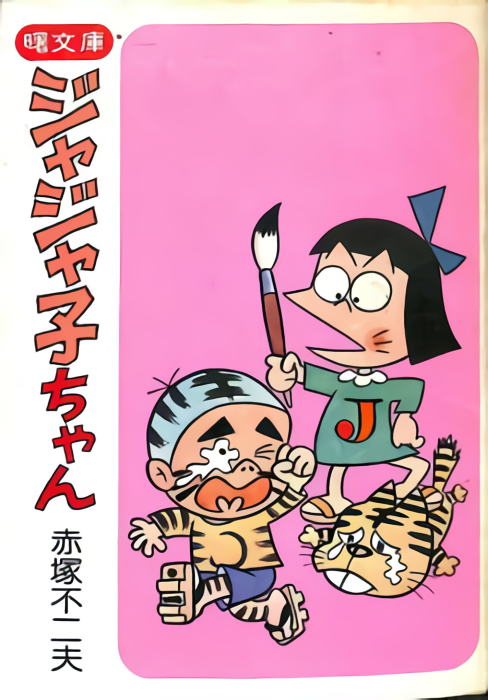
Jajako-Chan
ジャジャ子ちゃん
Genres
Description
A series of short episodic stories revolving around a mischievous girl named "Jajako". Every strip features her in some sort of strange or silly situation, usually causing trouble for various adults in her life, one often being her mother.
Chapters (6)
Volume 1
Chapter 6 - Jajako's Pet
Published: Tuesday, December 10, 2019Chapter 5 - Dueling With A Crow
Published: Monday, December 9, 2019Chapter 4 - Jajako's Summer Vacation
Published: Sunday, December 8, 2019Chapter 3 - Let's All Head to the Bathhouse!
Published: Sunday, December 8, 2019Chapter 2 - Give Back Those Dentures!
Published: Friday, November 22, 2019Chapter 1 - Browsing Books With Pepper
Published: Wednesday, February 27, 2019More by Akatsuka Fujio
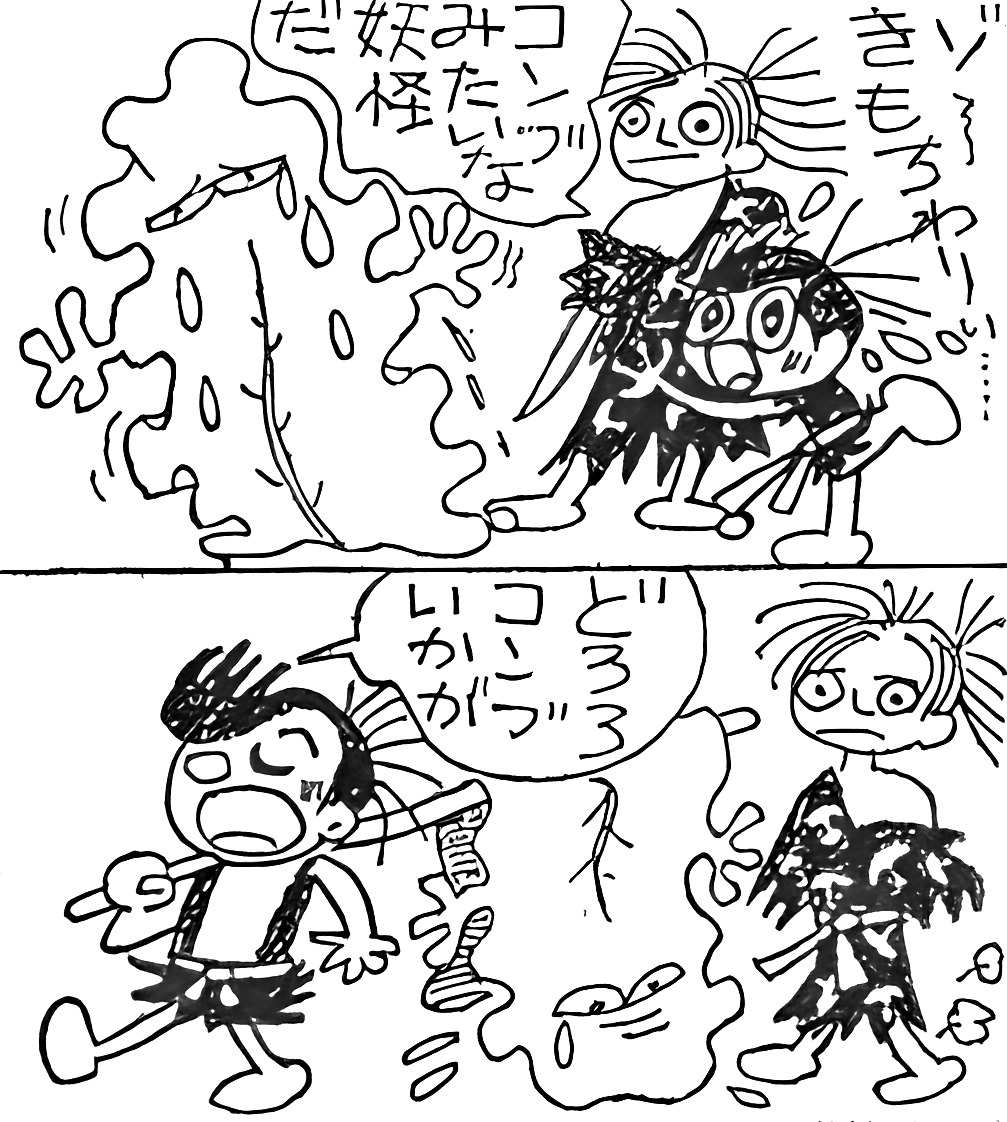
Dororo (AKATSUKA Fujio)
Part of a 'Mangaka Face-Off' that featured Tezuka and Akatsuka. Akatsuka does his own parody of Dororo.
Chapter Unknown_bb09
3 years ago
Jajako-Chan
A series of short episodic stories revolving around a mischievous girl named "Jajako". Every strip features her in some sort of strange or silly situation, usually causing trouble for various adults in her life, one often being her mother.
Chapter 6
6 years ago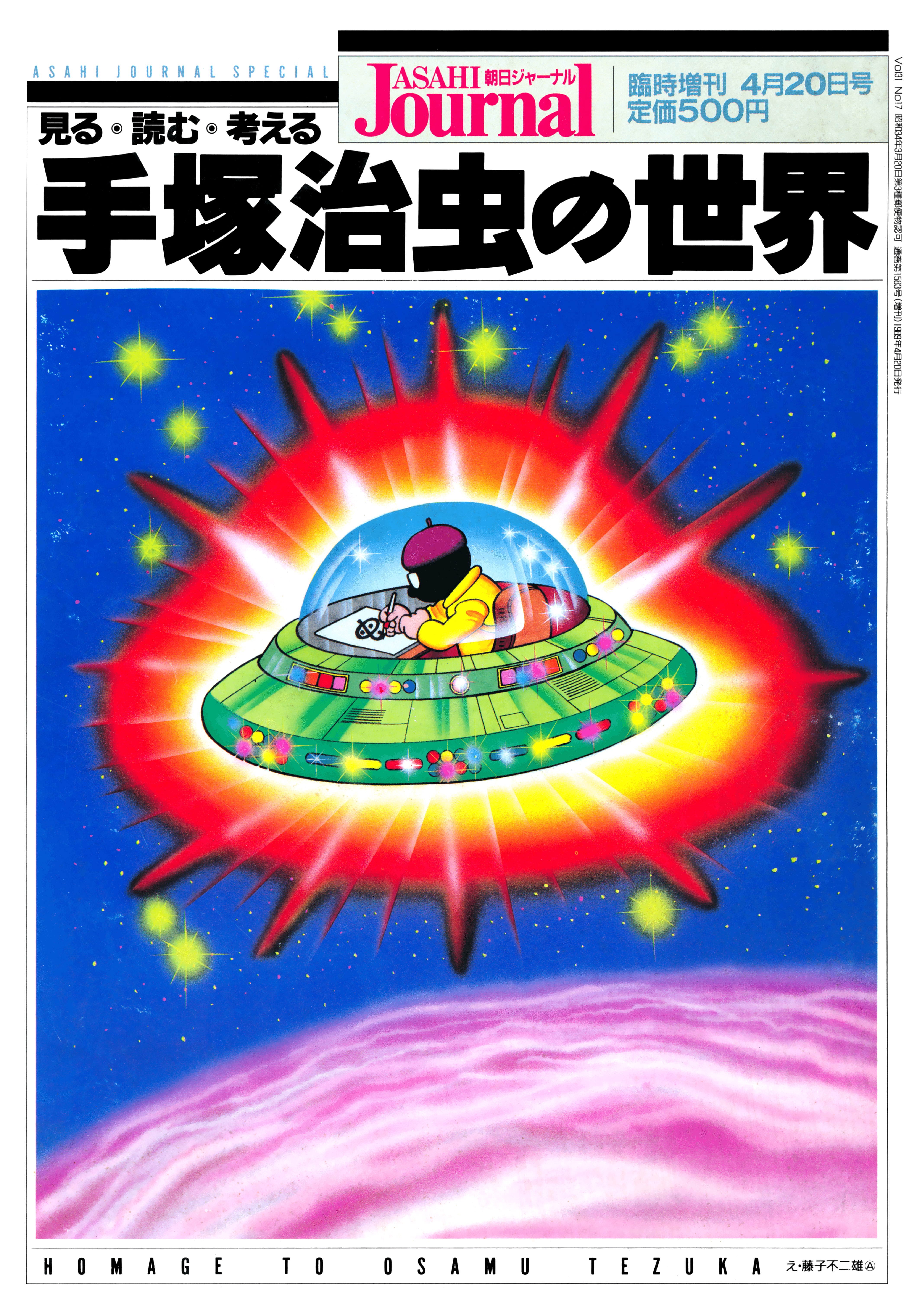
Homage to Osamu Tezuka
On Feb 9th, 1989, legendary manga author Osamu Tezuka died after a prolonged hospital stay due to Stomach Cancer. Months later, Asahi Journal ran a Special issue as homage to Tezuka's legacy. In this issue, a bunch of his contemporaries, as well as some of his own assistants, drew up tribute pages to mourn their fallen colleague. This listing is for the translated tribute pages.
Chapter 9
2 years ago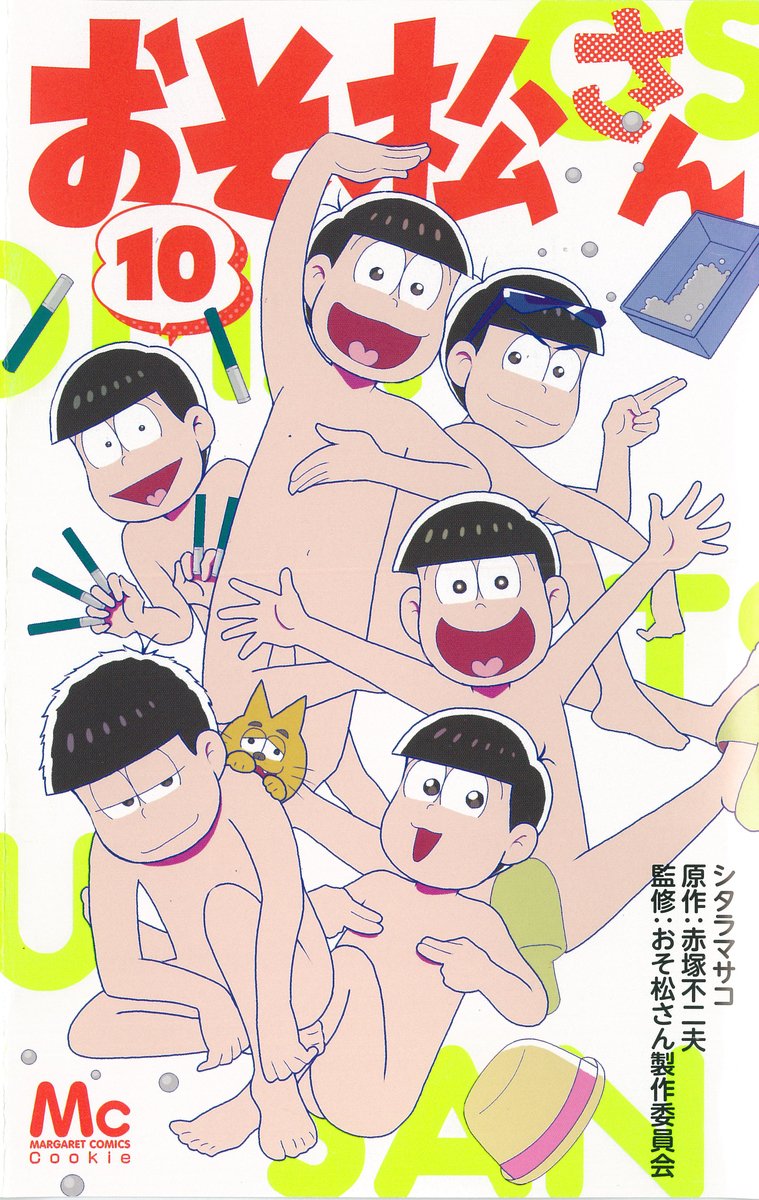
Osomatsu-san
Manga adaption of the TV anime Osomatsu-san. Based on Fujio Akatsuka's classic gag manga, "Osomatsu-kun."
Chapter Unknown_9198
3 years ago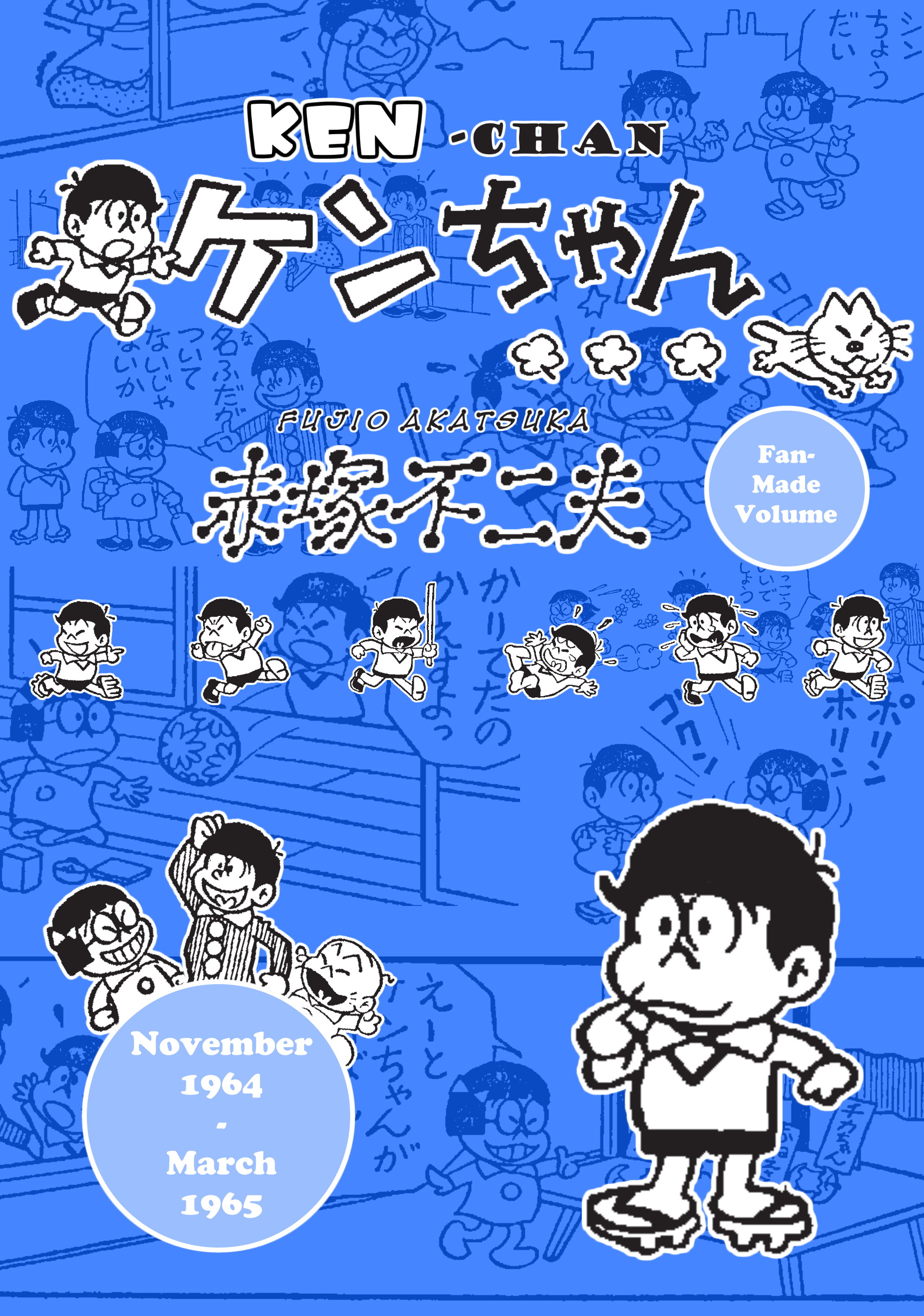
Ken-chan
Centers around the titular character, a small boy who gets into different situations with those around him. Each strip is done in four vertical panels in two rows (eight panels in all), read from right to left. The presence of Akatsuka's "Star System" concept is prominent especially in the later strips, as some notable characters are added into Ken-chan's supporting cast. The work proved to be a challenge for Akatsuka, who was restricted from depicting children committing bad acts that wouldn't be punished, or having them be rude or fight in general.
Chapter 21
6 years ago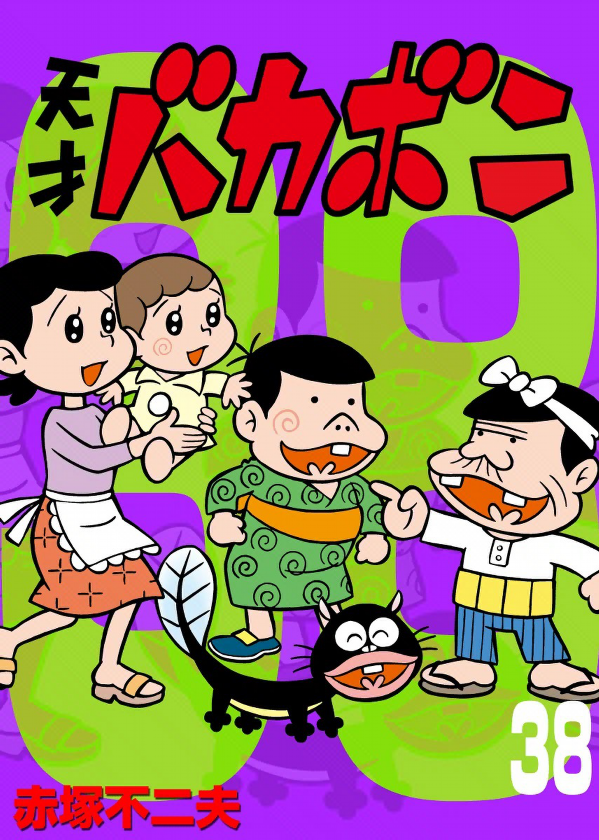
The Genius Bakabon
Tensai Bakabon (Or, "The Genius Bakabon" ) is a gag manga starring, ironically, the titular character's father, only known as "Bakabon's Papa". The manga generally centers around episodic stories of Papa causing trouble around town due to his own and his son's complete and utter incompetence. This usually attracts the attention of the local trigger-happy policeman "Honkan", as well as causing issues for Bakabon's mother (Also just known as "Bakabon's Mama" ) and his younger, but extremely intelligent brother, Hajime. While the series is quite old, many of the jokes and stories are timeless in execution and hold up well today, which is largely why it's considered a classic series in Japan. There are 638 chapters collected in the digital release, but volumes 32-38 (The Reviwal Series) say not all chapters are collected, meaning some were skipped from the 1987-92 publication period. Volumes 28-31 collect the "Ganso Tensai Bakabon," which was just a title change for "TV magazine." 3 Bilingual comics were released by Kodansha in the early 2000s. --- - **Won the Bungeishunjū Manga Award in 1971**
Chapter 3
1 year ago
Lets La Gon
Let's La Gon is a gag manga series revolving around a young boy named Gon, his father, and pet bear Beramatcha, as they lead a dysfunctional life of poverty, and the bizarre antics that go on in their lives. The manga is known for being somewhat darker and more surreal than other works from it's author, Akatsuka, making for an experience unlike many other gag comedy manga.
Chapter 6
1 year ago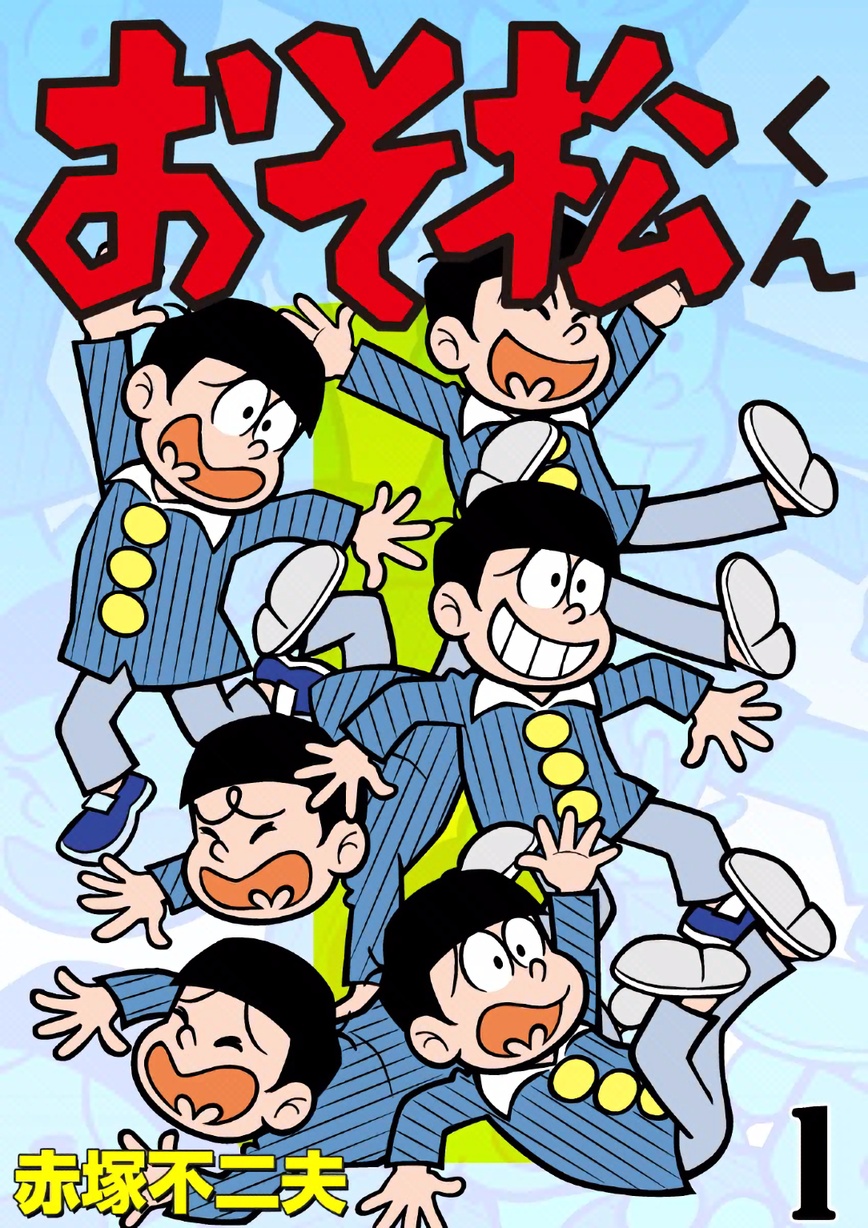
Osomatsu-kun
Meet the Osomatsu boys—sextuplets who look, speak, dress and talk like the same. They only add to the hyper eccentric residents of the town who easily break any boundaries defined by common sense. Check your logical thinking and reason at the door and immerse yourself in everyday lives of unique characters who are wild both in appearance and temperament! (Source: Studio Pierrot) --- - **Won the 10th Shogakukan Manga Award in 1964**
Chapter 8
7 years ago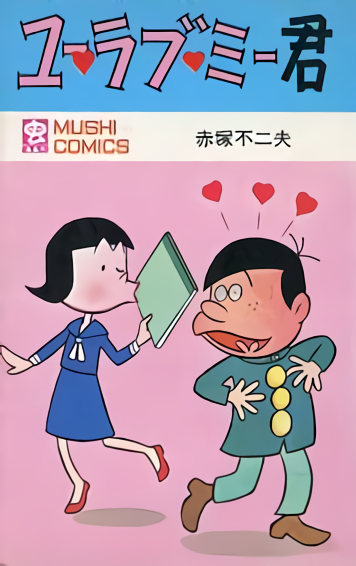
You Love Me-Kun
Eccentric young man "Santarou" is constantly in search of love, most of the time, from the often calm and collected "Chiyoko". Hijinks ensue as in every chapter he devises a new scheme or gimmick to gain the affection of Chiyoko or other girls. However, with the help of his opportunistic little sister "Nanako", things often get out of hand. There is little continuity within each chapter, instead opting for interesting episodic stories.
Chapter 3
7 years ago